
On this page6 sections
Our Tin Can Review
Anyone else raising 80s babies?
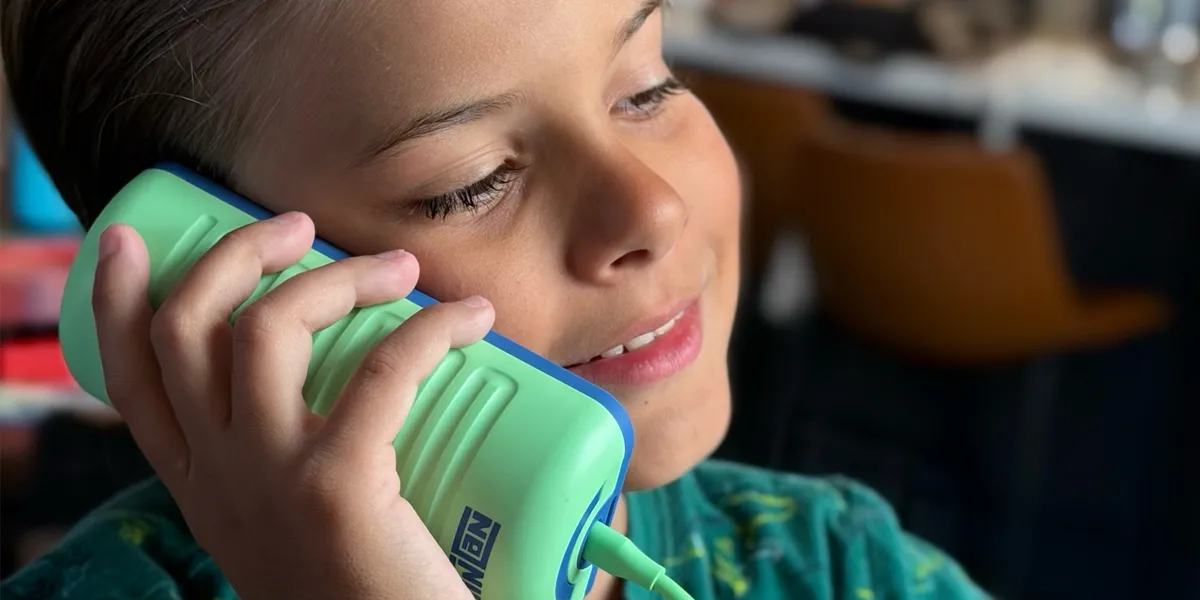
That is genuinely how it feels in our house now. There is a phone on the wall, it rings, and one of my boys runs to answer it. He does not know who is calling until he picks up. He says hello and finds out. That tiny moment of not knowing, of answering anyway and holding a conversation with whoever is on the other end, was a completely normal part of my childhood and had quietly disappeared from theirs.
The Tin Can brought it back, with the modern safety layer that makes it workable in 2026.
What the Tin Can Actually Is
The Tin Can is a corded phone for kids that runs on your home WiFi. There is no phone jack, no phone company, and critically, no screen. It cannot text, it has no apps or games, and it cannot reach the internet. It makes and receives voice calls, and that is the entire product.
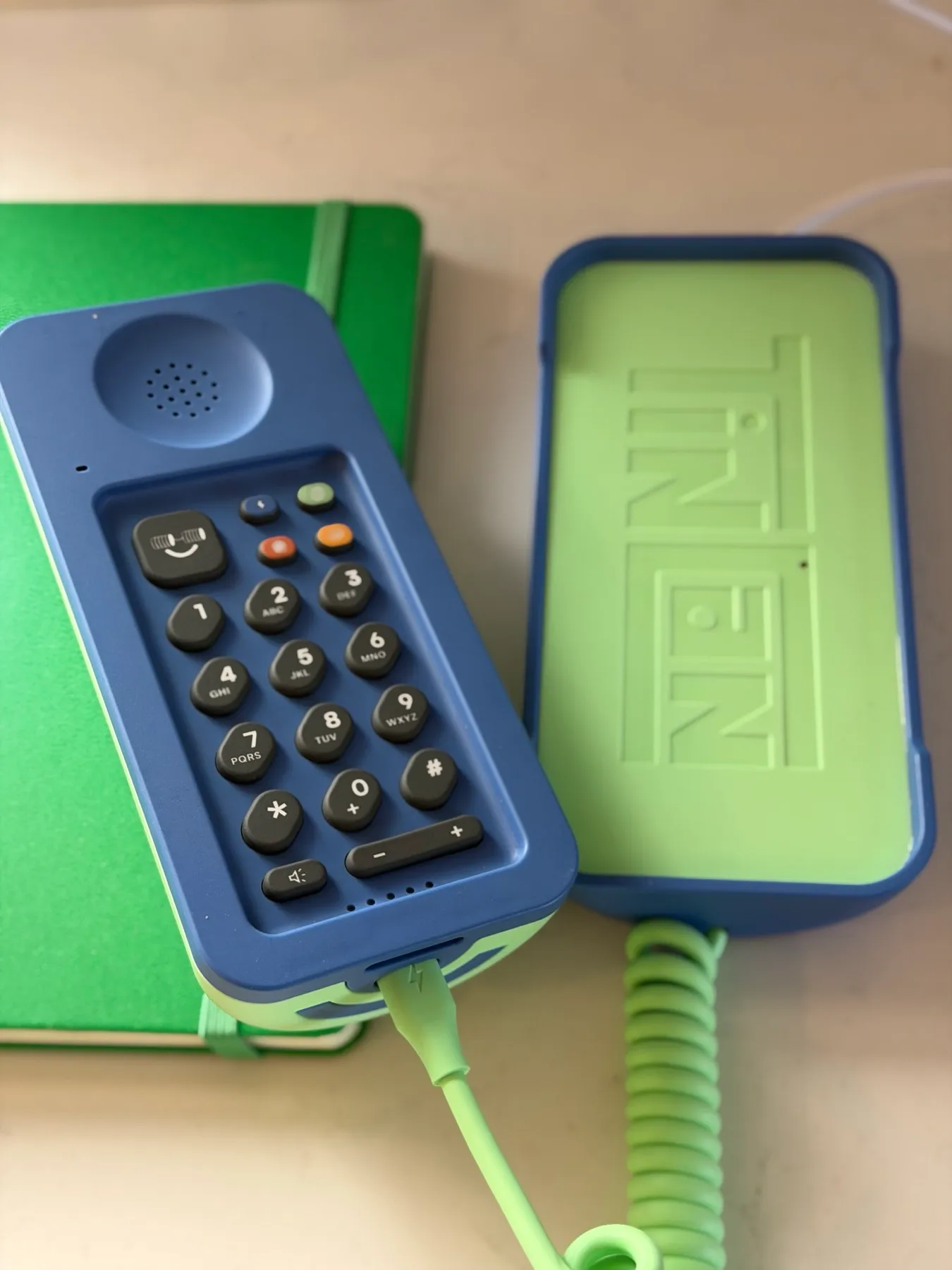
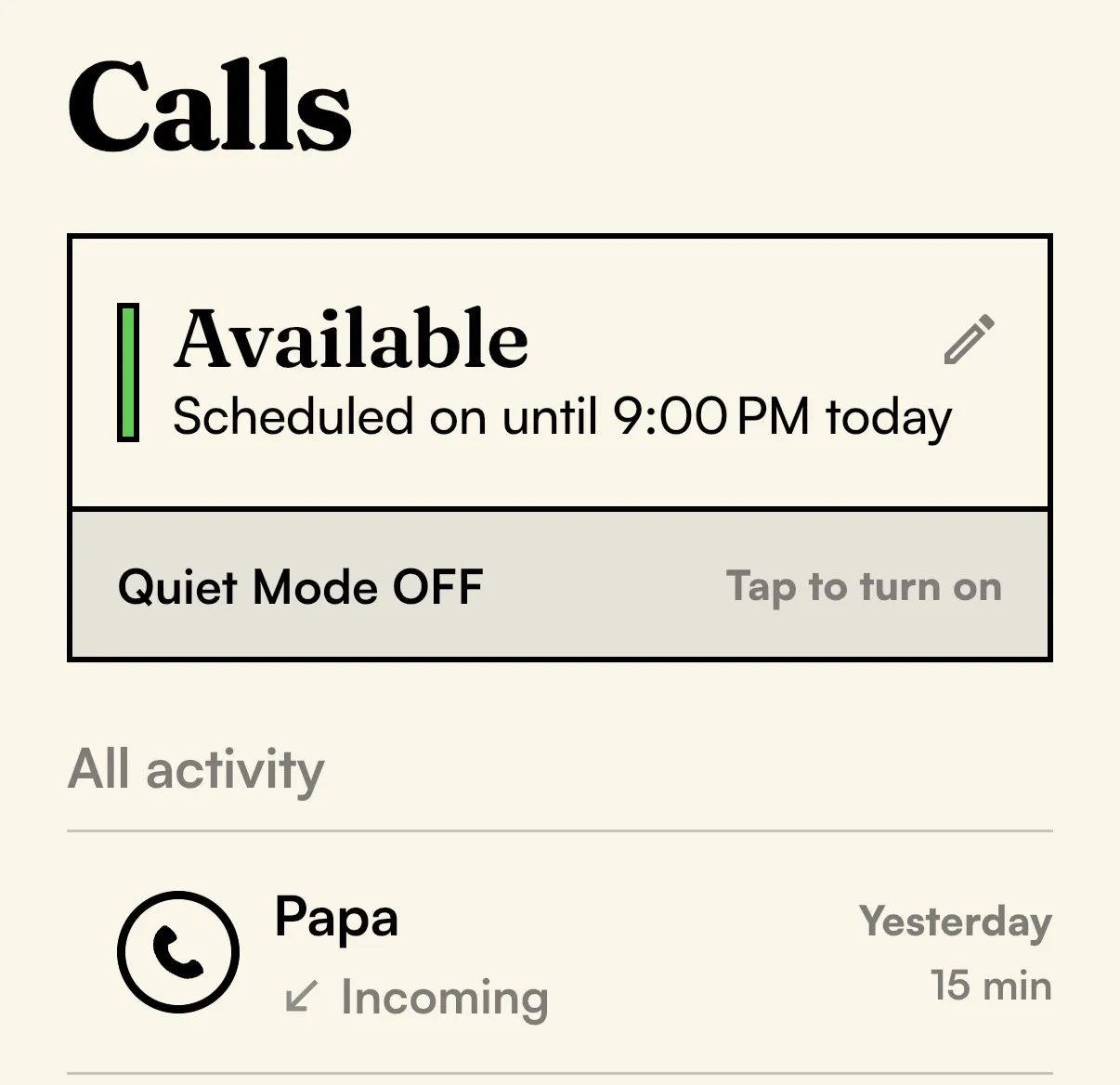
The control lives in a parent app on your phone. Every contact has to be approved by you before they can call in or be called, which means strangers, spam, and robocalls simply cannot reach your child. You also set the hours the phone works, so calls happen when you say they happen, and quiet hours are actually quiet.
Pricing is simple. The device is $100. Calls between Tin Can households are free forever on the Can2Can plan, with no subscription, and 911 always works. If you want the phone to call regular numbers, like a grandparent’s cell, that is the Party Line plan at $9.99 a month, first month included.
The Problem We Hit, and How It Was Fixed
I want to be upfront about the one real issue we had, because if you search for Tin Can complaints, reception is what comes up, and we lived it.
For a while our reception was genuinely bad, bad enough that I was questioning the purchase. It turned out the cause was mechanical: a loose cord on our unit. I reached out to customer service, they sent us a new cord, and it has been amazing since. No dropped calls, no complaints from the boys, nothing.
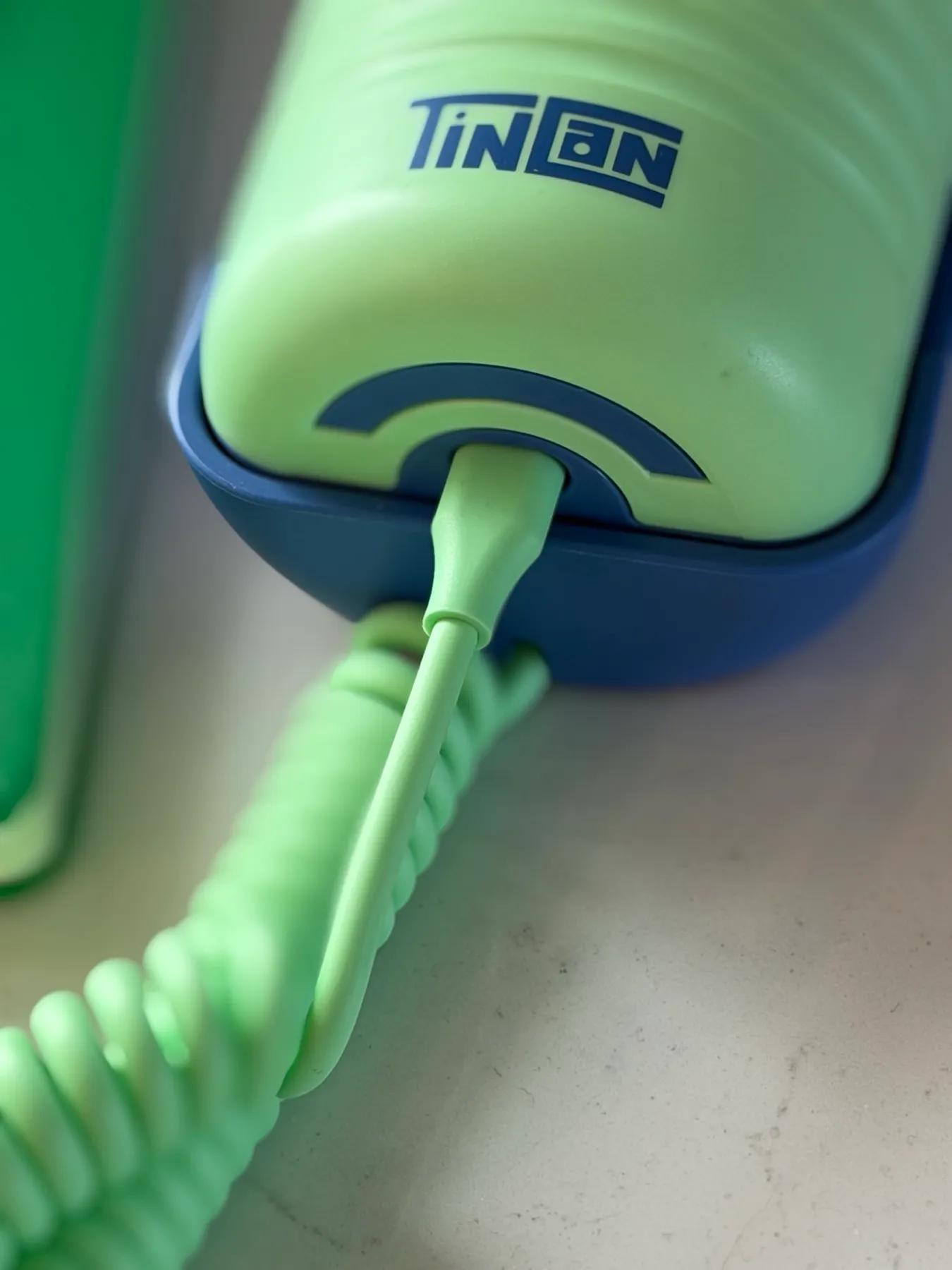
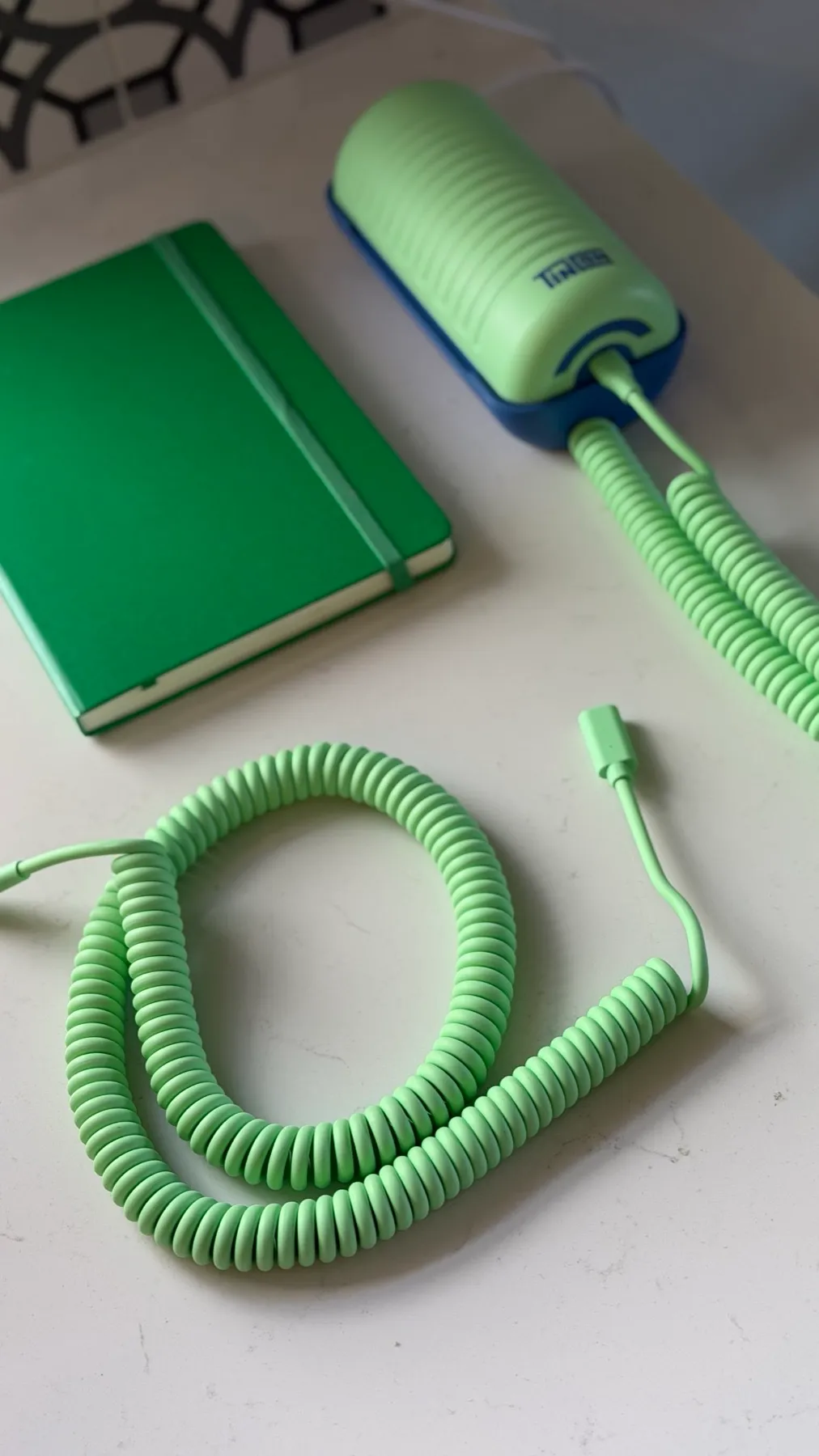
Two honest takeaways from that. First, defects happen, and what matters is that Tin Can made it right quickly. Second, if your reception is poor, check the cord and contact support before assuming the product is the problem, because in our case the fix was complete.
For the fuller picture on reliability: demand for this phone has been enormous. We waited from January to April for ours to arrive, and the network famously buckled on Christmas Day 2025 when call volume spiked as thousands of just-unwrapped phones came online at once. Growing pains are real here. In four months of daily use since the replacement cord arrived, they have not touched us.
The Thing That Surprised Me Most
I expected the screen-free part to be the story. The actual story turned out to be about access.
Before the Tin Can, family who wanted to talk to our boys had to go through my husband or me. Nobody wants to interrupt a busy parent’s day, so mostly, they did not. They were not choosing distance from the boys; they were being polite to us. I did not see any of that until the Tin Can removed us from the middle.
Now they call all the time. Grandparents, aunts, uncles, everyone I have approved has direct access to the boys within the hours I set, and it turns out they wanted that access all along. Watching my boys build those relationships themselves, on their own phone, in their own words, has been the best part of owning this thing.
What Voice-Only Conversation Does for Kids
There is a reason I wanted a voice-first device rather than another screen with a camera on it.
The research on conversation and kids’ brains is striking. A study published in Pediatrics found that back-and-forth adult-child conversation was roughly six times as potent for language development as adult speech alone. MIT researchers found that the number of conversational turns a child engages in tracks with both verbal test scores and activity in the brain’s language regions. Conversation, taking turns, listening and responding, is the mechanism that builds language.
A voice-only phone is conversational turns in their purest form. With no video and no visual cues, my boys have to listen actively, wait their turn, picture the person on the other end, and carry a real conversation from hello to goodbye. Those are the skills I watched my own generation build on the kitchen phone, and I have watched them growing in my kids for four months now.
Would We Buy It Again?
Again and again. I would buy it again despite the slow shipping and the defective first unit: there is nothing else like it. The product it most resembles is the one from my own childhood, and that one did not come with parental controls.
If your kids are years away from a smartphone but ready for real relationships with the people who love them, this is the best money we have spent on that problem.
What works
- No apps, no games, no screens, just real voice conversation
- Parents approve every contact and set calling hours from the app, so strangers and robocalls can't get through
- Calls between Tin Can families are free with no subscription
- Approved grandparents, aunts, and uncles can reach the kids directly, which changed how often our family connects
- Customer service sent us a replacement cord quickly, which completely fixed our reception problem
Where it falls short
- We ordered in January and it arrived in April. Demand is real, and the wait was long.
- Our first unit had a loose cord that caused bad reception until it was replaced
- Calling regular phone numbers (like grandma's cell) requires the $9.99/month Party Line plan
- It runs on your home WiFi, so it is a house phone in the true sense; it does not travel
Does the Tin Can phone need WiFi?
Yes. It connects to your home WiFi during setup through the parent app. There is no phone jack and no phone company involved, and it only works where it has WiFi, so it stays home like a true landline.
Does the Tin Can phone require a subscription?
Not for calls between Tin Cans. The free Can2Can plan covers unlimited calls to other Tin Can households plus 911. Calling regular phone numbers, like a grandparent's cell, requires the Party Line plan at $9.99 per month, with the first month included.
Can friends and family call the Tin Can without owning one?
Yes, with the Party Line plan. Any number a parent approves in the app can call in during the hours the parent sets. That is how most of our friends and family reach our boys.
Is the Tin Can phone safe and private?
Only contacts a parent approves can call in or be called, which blocks strangers, spam, and robocalls. Tin Can states it does not record calls, does not sell personal information, and does not use kids' data for targeted advertising or profiling.
How much does the Tin Can phone cost?
The device is $100. After that, Tin Can to Tin Can calling is free, and calls to regular phone numbers require the optional $9.99 per month Party Line plan.